In today’s economy, every dollar matters. Rising inflation, increasing vehicle repair costs, and higher replacement part prices have made car ownership more expensive than ever. As a result, millions of drivers are searching for one thing above all else: Car Insurance Savings.
The good news is that saving money on car insurance doesn’t mean accepting poor coverage or taking unnecessary risks. By understanding how insurers calculate premiums and by using smart strategies, drivers can significantly reduce their insurance costs while maintaining strong financial protection.
This comprehensive guide explores the most effective car insurance savings strategies for 2026 and helps you find the perfect balance between affordability and coverage.
Why Car Insurance Costs Are Rising in 2026
Before discussing savings opportunities, it’s important to understand why premiums have increased across many markets.
Several factors are driving higher insurance costs:
• More expensive vehicle technology
• Increased labor costs for repairs
• Rising medical expenses
• Higher accident claim payouts
• More frequent extreme weather events
• Increased vehicle theft rates in some regions
Modern vehicles contain sophisticated sensors, cameras, radar systems, and computer modules. While these technologies improve safety, they can make even minor repairs surprisingly expensive.
Because of these trends, insurance companies are adjusting rates to reflect the growing costs of claims.
Understanding Car Insurance Savings
Car insurance savings refer to any strategy that lowers your insurance premium without leaving you financially vulnerable.
The goal isn’t simply to buy the cheapest policy available. Instead, the objective is to maximize value by obtaining sufficient protection at the lowest possible price.
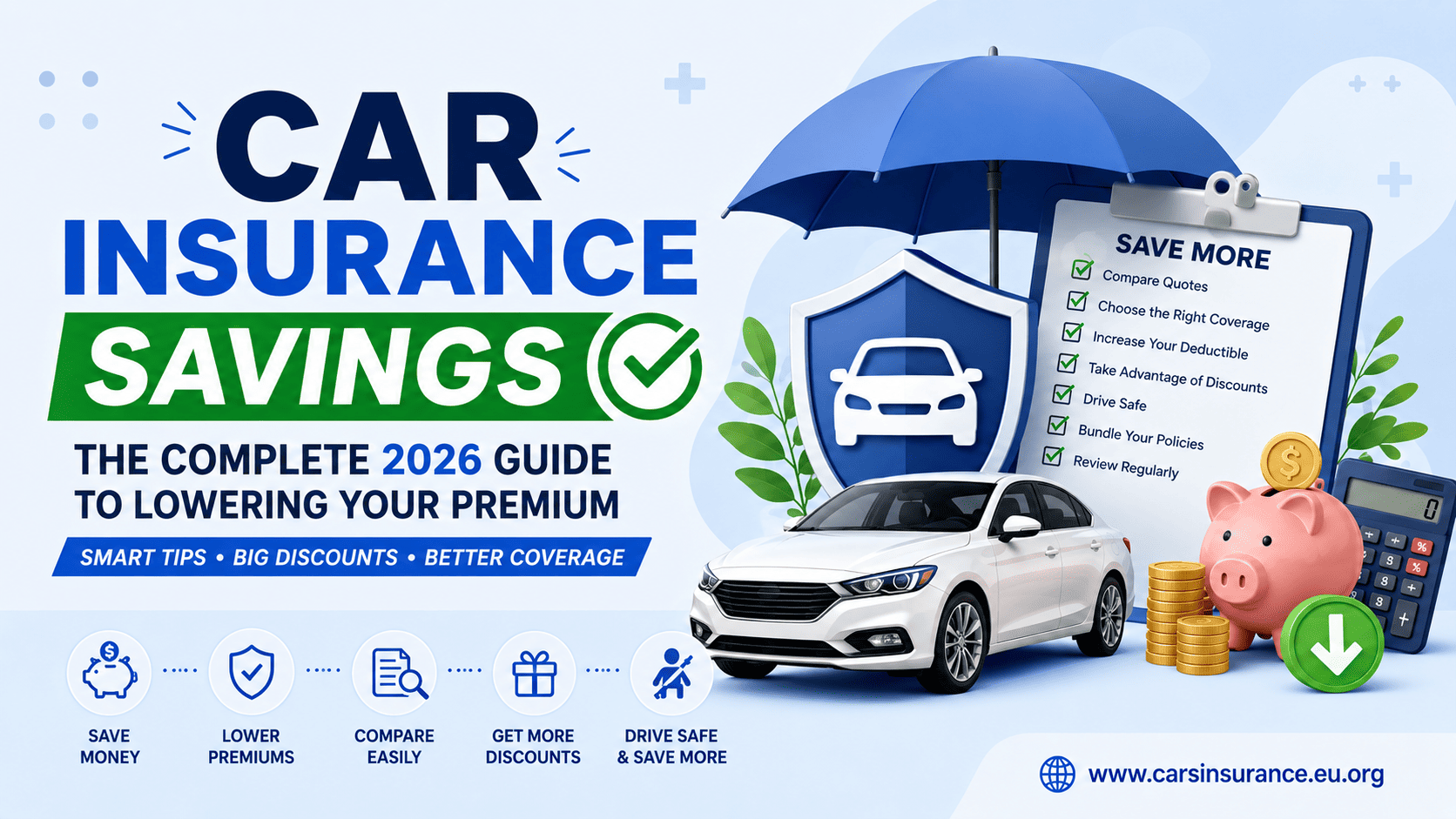
Smart drivers focus on:
• Comparing multiple quotes
• Choosing appropriate coverage levels
• Taking advantage of discounts
• Improving risk factors
• Reviewing policies annually
When combined, these approaches can produce substantial long-term savings.
Compare Quotes Every Year
One of the biggest mistakes drivers make is remaining with the same insurer for years without comparing prices.
Insurance companies regularly update their pricing models. A company that offered the best deal last year may no longer be the most competitive option today.
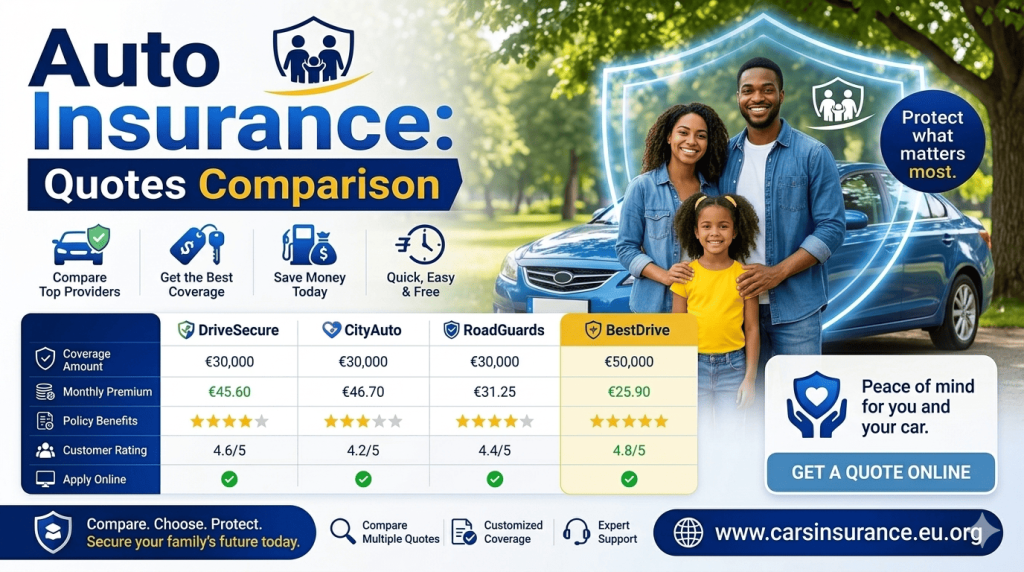
Experts recommend comparing quotes from at least three to five insurance providers annually.
Benefits of comparison shopping include:
• Identifying lower premiums
• Discovering new discounts
• Accessing improved coverage options
• Finding better customer service ratings
Many drivers save hundreds of dollars each year simply by shopping around before renewing their policies.
Take Advantage of Safe Driver Discounts
Insurance companies reward drivers who present a lower risk.
Safe driving habits remain one of the most effective ways to unlock significant car insurance savings.
Common safe-driver discounts include:
• Accident-free discounts
• Defensive driving course discounts
• Telematics program discounts
• Good driving record rewards
Many insurers now use smartphone apps or telematics devices to monitor driving behavior.
Drivers who avoid speeding, hard braking, and aggressive acceleration often qualify for substantial premium reductions.
Choose the Right Deductible
Your deductible is the amount you pay out of pocket before insurance coverage begins.
Generally, higher deductibles result in lower monthly premiums.
For example:
A $250 deductible typically costs more per month than a $1,000 deductible.
Drivers with strong emergency savings may benefit from choosing a higher deductible because the annual premium savings can be significant.
However, it’s important to select a deductible that remains affordable in the event of an accident.
Bundle Insurance Policies
Bundling is one of the simplest ways to generate immediate savings.
Many insurance companies offer discounts when customers purchase multiple policies from the same provider.
Popular bundle combinations include:
• Auto and home insurance
• Auto and renters insurance
• Multiple vehicle policies
• Auto and motorcycle insurance
Bundle discounts can range from 5% to 25%, depending on the insurer and policy combination.
Drive Fewer Miles
Annual mileage plays an important role in insurance pricing.
The less you drive, the lower your risk of being involved in an accident.
Insurance companies often provide discounts for:
• Remote workers
• Retirees
• Low-mileage drivers
• Public transportation users
Usage-Based Insurance programs have become increasingly popular in 2026 because they reward drivers based on actual vehicle usage.
Pay-Per-Mile Insurance: A Growing Trend
One of the biggest developments in the insurance industry is pay-per-mile insurance.
Instead of paying based primarily on demographic factors, drivers are charged according to their actual mileage.
This model benefits:
• Remote workers
• City residents
• Occasional drivers
• Families with multiple vehicles
Drivers who travel fewer than 8,000 miles annually often experience significant savings through usage-based programs.
Maintain Good Credit (Where Applicable)
In many regions, insurance companies consider credit-based insurance scores when calculating premiums.
Research has shown that drivers with stronger credit histories tend to file fewer claims.
Improving financial habits may lead to lower insurance costs over time.
Helpful practices include:
• Paying bills on time
• Reducing debt
• Monitoring credit reports
• Correcting reporting errors
Even moderate improvements can sometimes qualify drivers for better rates.
Select a Vehicle With Lower Insurance Costs
Not all vehicles cost the same to insure.
Before purchasing a new car, it’s wise to research insurance costs.
Factors affecting premiums include:
• Vehicle value
• Theft rates
• Repair costs
• Safety ratings
• Engine performance
Cars that typically qualify for lower insurance premiums include:
• Family sedans
• Compact SUVs
• Vehicles with advanced safety systems
• Models with excellent crash-test ratings
Sports cars and luxury vehicles generally carry higher insurance costs.
Use Available Discounts
Many policyholders miss discounts simply because they never ask.
Potential savings opportunities include:
• Good student discounts
• Military discounts
• Senior driver discounts
• Professional association discounts
• Multi-vehicle discounts
• Loyalty discounts
• Paperless billing discounts
• Automatic payment discounts
Reviewing available discounts annually can uncover hidden savings.
Avoid Small Claims
Filing frequent small claims can increase premiums over time.
For minor repairs, paying out of pocket may sometimes be more economical than filing a claim.
Before submitting a claim, consider:
• Repair costs
• Deductible amount
• Potential premium increases
A long history of claim-free driving often results in lower rates and additional rewards.
Review Your Coverage Regularly
Many drivers continue paying for coverage they no longer need.
Life circumstances change, and insurance policies should evolve accordingly.
Review your policy whenever you:
• Purchase a new vehicle
• Move to a new area
• Change jobs
• Add or remove drivers
• Pay off a vehicle loan
Regular policy reviews ensure you’re not paying for unnecessary coverage.
The Future of Car Insurance Savings
Technology is transforming the insurance industry.
Artificial intelligence, connected vehicles, and advanced data analytics are enabling insurers to offer more personalized pricing.
Future savings opportunities may include:
• Real-time premium adjustments
• AI-powered risk assessments
• Connected vehicle discounts
• Autonomous driving incentives
• Predictive accident prevention rewards
Drivers who embrace new technologies will likely benefit from increasingly customized and affordable insurance options.
Final Thoughts
Car Insurance Savings is no longer just about finding the cheapest policy. The smartest approach combines strategic shopping, responsible driving habits, and regular policy reviews.
By comparing quotes, taking advantage of discounts, selecting appropriate coverage, and embracing modern insurance technologies, drivers can achieve meaningful savings without compromising protection.
In 2026, informed consumers have more tools than ever to reduce costs and secure high-quality coverage. Taking the time to understand your options today can lead to years of financial benefits and greater peace of mind on the road.